MissionWise and the Mission to Serve: Empowering Veterans and Military-Affiliated Families Through Education

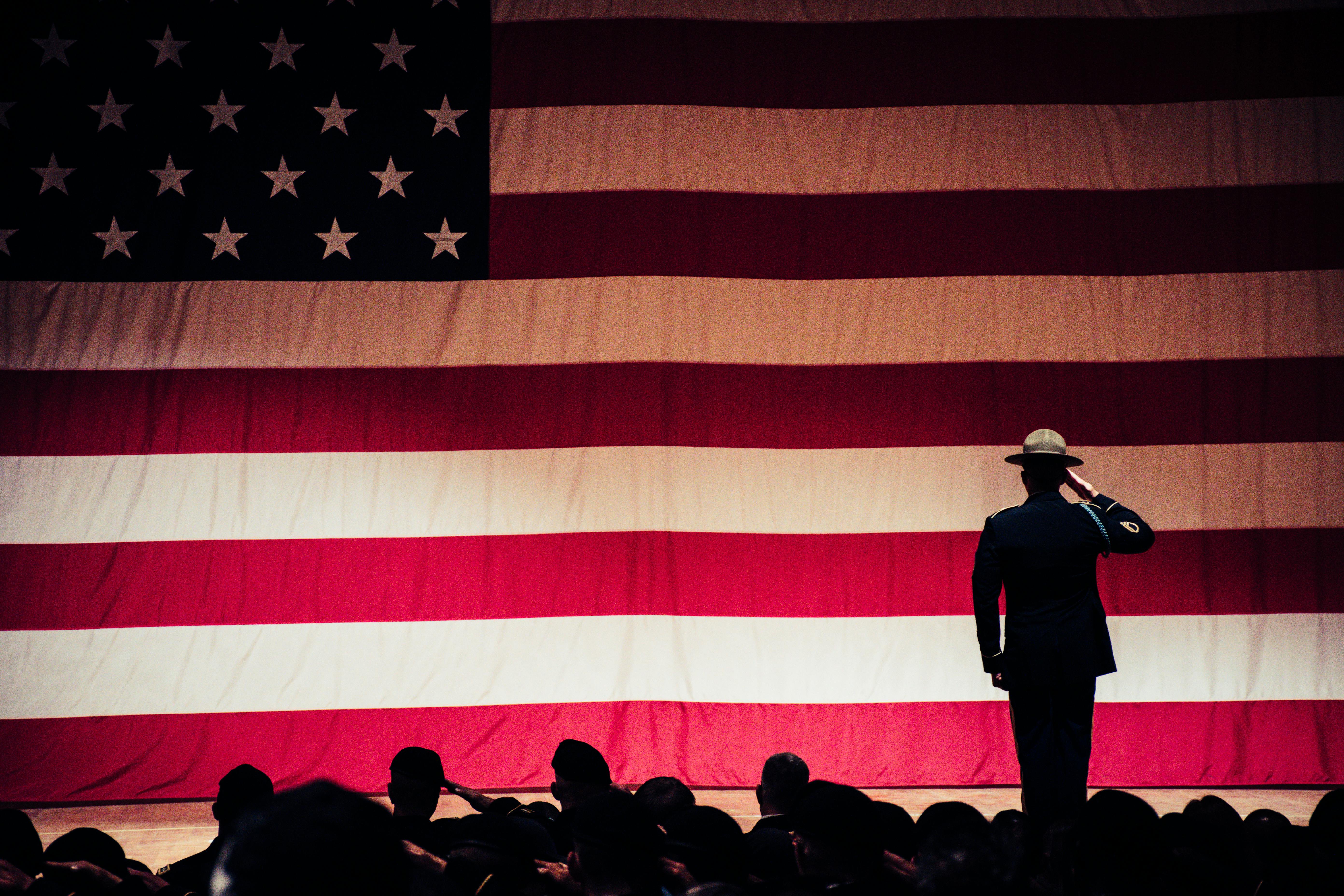
This Veterans Day, we honor those who have served, and the organizations working tirelessly to support them in their next chapter. MissionWise stands out as a trusted guide for military-connected students navigating the complex world of higher education. Through their research and advocacy, they spotlight the unique barriers faced by veterans, active-duty servicemembers, and their families, from accessing flexible online learning to decoding academic systems and aligning programs with real-world goals. Their work challenges institutions to see these learners not as a monolith, but as individuals with diverse identities, lived experiences, and career aspirations. At Kiosk, we’re proud to feature insights from our recent conversation with MissionWise and recognize their vital role in expanding access and building community for those who’ve served.
Kiosk: How has the overall growth of online learning options impacted military-connected students?
MissionWise:
The expansion of online learning has been a game-changer for many military-connected students, particularly for active-duty servicemembers and military/veteran spouses. It offers the flexibility needed for those juggling full-time work, caregiving, deployments, or frequent relocations. For students with family obligations or those living in rural or overseas locations, online options open doors that traditional formats simply can’t.
But accessibility doesn’t always equal usability. Students newer to higher education, or returning after years away, often face a steep learning curve navigating online systems. Without direct, human-centered support, they can feel disconnected or uncertain about how to move forward. The institutions doing this well are the ones that wrap community, advising, and clear communication into their digital programs to make online learning feel less like a solo mission and more like a supported path.
Kiosk: In your view, what are the biggest barriers for military-connected students when it comes to accessing relevant/accessible academic programs?
MissionWise:
A big challenge is simply decoding the process. Many military-connected students don’t come from families with deep experience in higher education, so academic programs and their requirements can feel overwhelming or confusing. This is especially true for students who are navigating the system on their own without strong peer or mentor networks.
Another barrier is identity misalignment. Some students proudly lead with their military background, while others may not strongly identify with military culture. If program outreach or advising assumes a one-size-fits-all model, it can alienate rather than engage. Language, visuals, and tone matter here. If students don’t see themselves in the material, they may not explore options that are actually a great fit for them.
Timing is also a factor. Many military-connected students are returning to school after a career chapter and are often looking to pivot or start over. They’re not always sure what’s possible or what matches their skills. Without intentional guidance early in the process, they may settle into programs that don’t fully align with their goals.
Kiosk: From your research into the military-learner market are there particular aspects of support that colleges can offer that make a significant impact on the likelihood of program completion?
MissionWise:
Consistency and relevance are two of the biggest drivers of student persistence. Military-connected learners are often managing complex personal responsibilities on top of their academic load, so they benefit from support that is steady, predictable, and personal.
One of the most effective approaches is goal-oriented advising. Not just “what classes do I take next,” but “what’s my bigger plan, and how do these steps help me get there?”. When students have the chance to talk through what’s next and are encouraged to imagine new career possibilities, they’re more likely to stay engaged and follow through.
Peer community also matters. Students are more likely to complete when they feel like they belong, especially if they’re navigating life transitions. Having access to communities that reflect their unique background, or at least advisors who understand that background, makes a big difference.
Kiosk: Are you finding that colleges/universities are being more open to giving military-connected students credit for prior learning (CPL)? If so, it would be great to hear about any specific initiatives.
MissionWise:
There’s progress, but it’s inconsistent.
Many colleges recognize credit for military training, especially when students use tools like the Joint Services Transcript. However, the process is still often unclear, varies by institution, and can feel like a black box to students. Some receive meaningful credit for their experience, while others struggle to translate years of service into anything more than elective units.
What sets successful institutions apart is clarity and follow-through. They have staff who know how to evaluate military learning, and they communicate clearly about what students can expect. When schools invest in assessing prior experience with intention and transparency, it builds trust and reduces both time and financial burdens for the student.
Kiosk: Is it your experience that colleges and universities say that military-connected students are applying for courses and programs that seem most appropriate to their academic needs and their career goals?
MissionWise:
Not always. Many are doing their best to navigate a system that wasn’t designed with them in mind. Without targeted guidance, military-connected students often choose programs based on what feels safe or familiar, not necessarily what aligns best with their skills, interests, or future goals.
Some students are still figuring out how their military experience translates into civilian careers. Others have creative or technical interests that didn’t fit within a traditional military role and are only just discovering how those can become viable paths. And many are using education benefits they’ve earned without having clarity on how to get the most from them.
The result is that students may enroll in programs that don’t fully match their strengths or aspirations. Without timely guidance, they may embark upon the wrong path or, worse, stay on it longer than they should.
Kiosk: If military-affiliated students are not selecting the most appropriate courses and programs, what practical steps do you think could be taken to better support military-connected students in selecting appropriate programs that meet their individual needs?
MissionWise:
A few specific moves can make a big difference:
- Proactive outreach: Reach students before they apply, not just after they enroll. Help them see the full landscape of what’s possible based on their lived experience and goals.
- Individualized advising: Create pathways that meet the needs of different types of military-connected students, whether they’re brand-new to college, transferring from a career, supporting a family, or finishing a degree they started years ago.
- Flexible communication: Some students respond to military-style communication and structure, while others prefer a more informal or civilian tone. Schools should reflect this diversity in their outreach materials, websites, and counseling approaches.
- Career-aligned programming: Help students connect academic programs to real-world outcomes like internships, career services, and alumni stories. If the connection between degree and job is unclear, students may disengage or choose a program that doesn’t serve them long term.
In short, helping military-connected students succeed starts with seeing them clearly. Not just as veterans or benefit users, but as individuals with a range of goals, experiences, and ways of identifying with their service.
Kiosk: Thank you so much for your time and your service to our military-affiliated students.